| Chairperson | Ananda Fong |
|---|---|
| Speakers | Venerable Mahinda Mahāthera |
| Benny Liow Woon Khin | |
| Hwang Hwee Beng | |
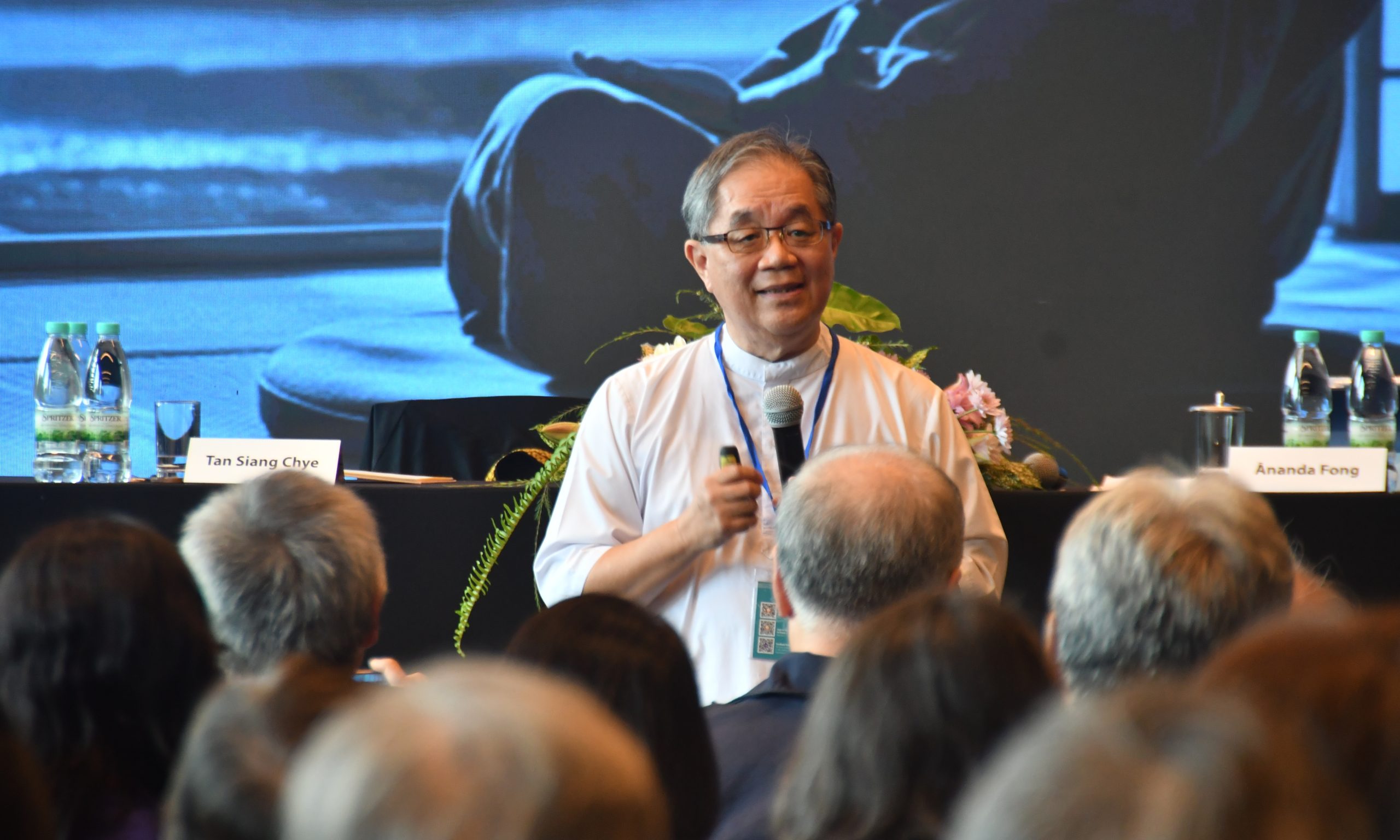
| Tan Siang Chye | |
| Rapporteur | Thong Fee Shen |


Holistic Education for Integral Human Development
Forum 3 – Graceful Ageing on the Path of Dhamma
Forum 3 – Graceful Ageing on the Path of Dhamma
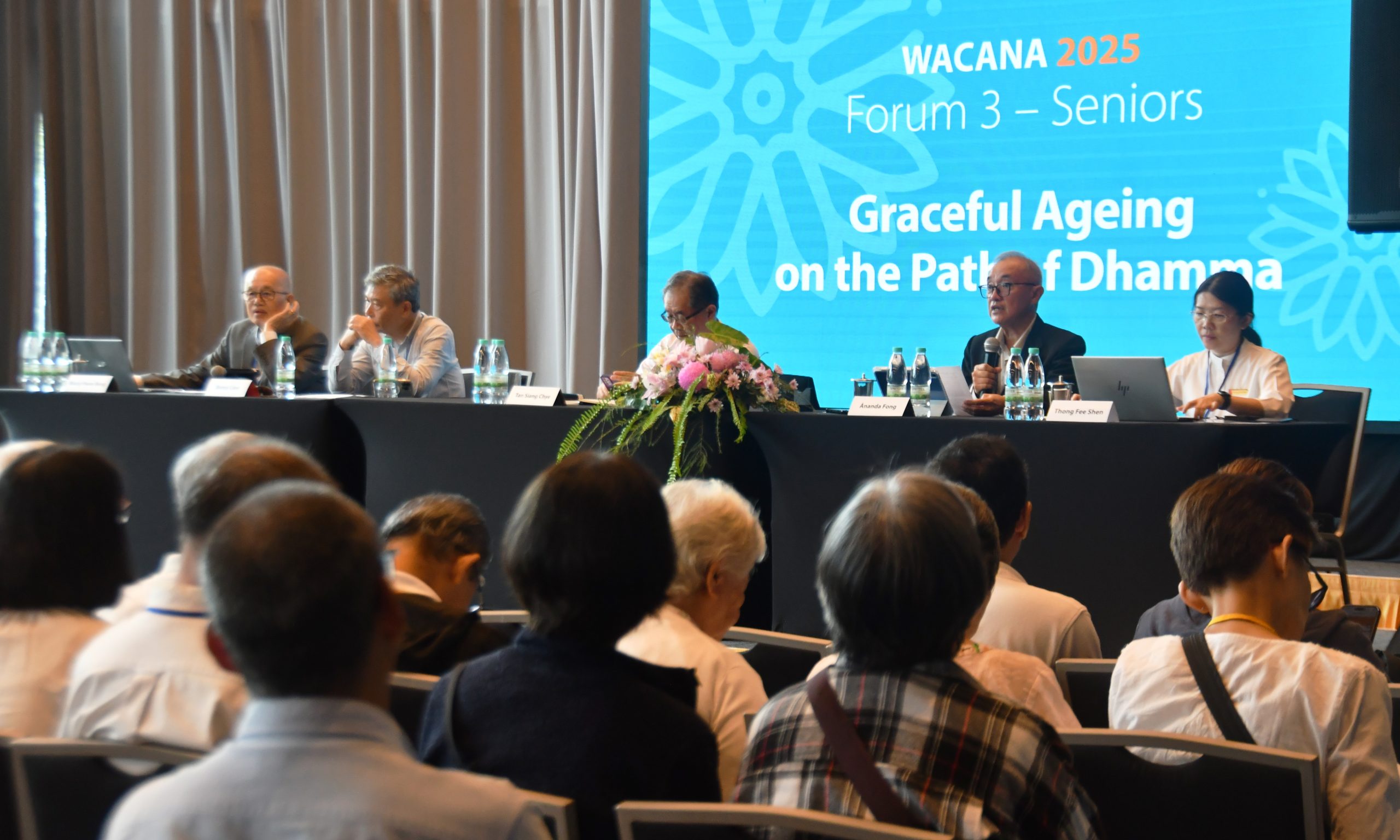
Introduction
Malaysia passed a significant demographic milestone in 2020, transitioning to an ageing nation as its population of those aged 65 and older exceeded the 7% threshold established by the United Nations. Two demographic factors driving the country’s ageing population are declining fertility rates and Malaysians live longer, thanks to improvement in income, healthcare, nutrition and sanitation.
The Buddha’s teachings offer a profound resource that can be harnessed to promote active ageing. Its emphasis on the mind, impermanence, community, and compassion which aligns with the psychological, social, and spiritual needs of an ageing population.
Buddhist societies and temples are well-positioned to create a holistic model for seniors to maintain mobility, counselling, provide communal space for activities, Dhamma discussions, and end-of-life support services especially to our long-time members, devotees and volunteers. In line with our theme “Awakening to Community Well-being – Contemporary Approaches”, Forum 3 offers active ageing programmes that give guidelines for Societies that may be considering similar models.
Forum Objectives
Introduce programme to optimise opportunities for seniors to live longer, healthier, and more fulfilling lives – socially, physically, mentally, and spiritually.
Provide guidance and explore principles to live with enthusiasm, clarity, dignity, and renewed purpose in their golden years.
Speech
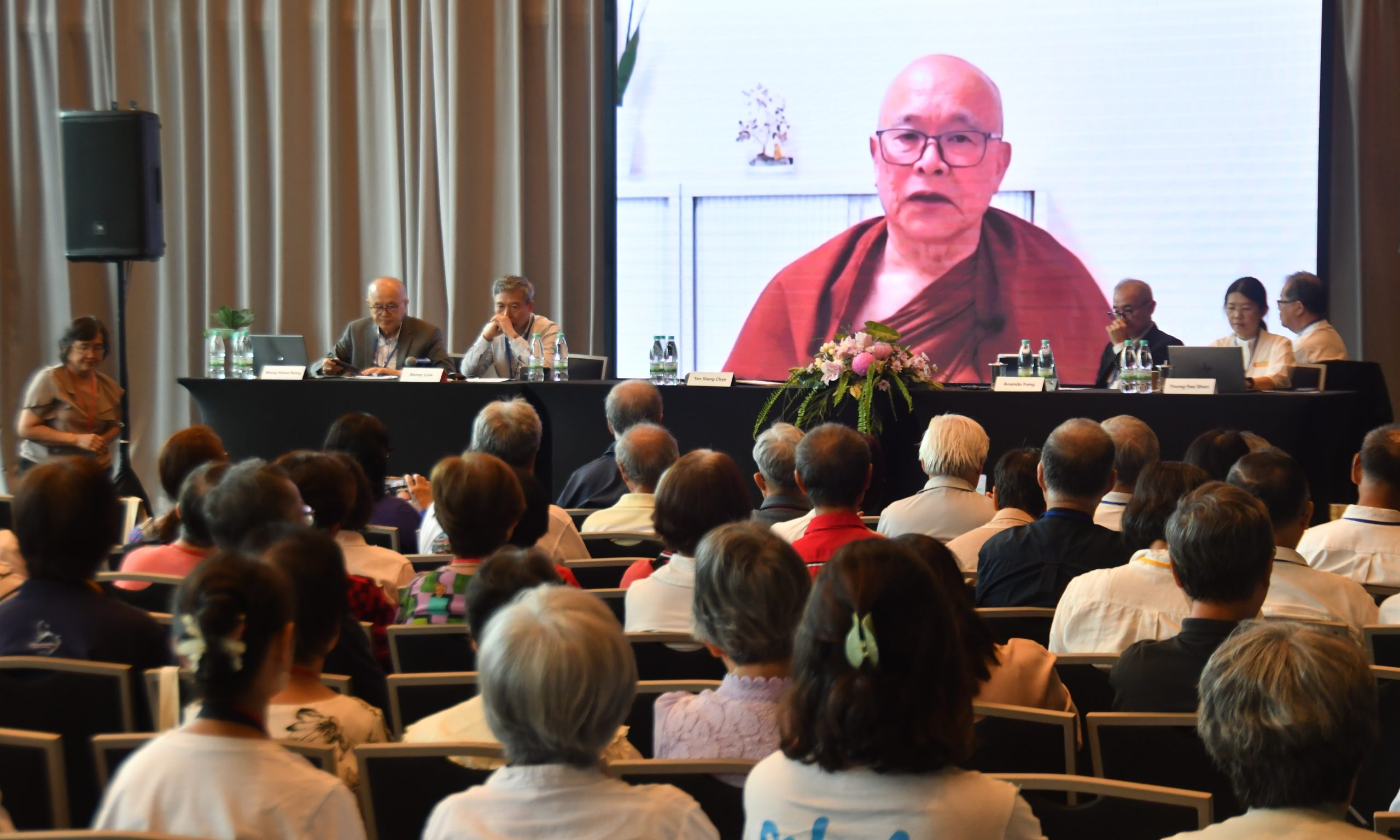
Leading a Happy and Peaceful Life through the Buddha’s Teaching
Introduction – Timeless Teaching
Venerable began by stating that the Buddha’s teaching remains timeless and practical for daily life. The essence of the Buddha’s instruction is summarized in the well-known verse: “Avoid all evil, cultivate good, and purify the mind” which encapsulates the entire path to happiness and liberation. Understanding our actions are wholesome when rooted in non-greed, non-hatred and non-delusion lead to peace and happiness. Unwholesome or unskillful actions when rooted in greed, hated and delusion bring suffering.
Personal Responsibility for Happiness and Suffering – Facing Aging with Wisdom
As people grow older, they think it is too late to change. However, the Buddha taught that present actions shape the future. What we do today conditions tomorrow. As the body weakens with age, it becomes even more important to strengthen the mind and develop wisdom. This inner strength helps us face the inevitable challenges of aging, illness and death. These experiences have occurred countless times throughout our existence. Having encountered the Buddha’s teachings in this life, we should make good use of this rare opportunity.
Action of Body, Speech and Mind
Actions are influenced not only by what we learn in this life but also by habitual tendencies carried over from the past. From childhood, people develop behaviors by observing and imitating others. This is why good parental guidance and wholesome companionship are extremely important. Scientific research also indicates that learning begins even before birth. By about five months in the womb, a baby’s hearing system develops and begins responding to sounds. Therefore, parents must themselves behave well if they want their children to grow up with good conduct.
Cultivation of Mindfulness
By the time people reach their senior years, many habits are already deeply rooted. However, the Buddha taught that change is always possible, because habits are creations of the mind. Since the mind controls both speech and bodily actions, transformation must begin with training the mind. This requires the practice of Right Effort, Right Mindfulness and Right Concentration.
The systematic cultivation of mindfulness plays an important role in mental purification. The Buddha taught the Four Foundations of Mindfulness: body, feelings, mind and mental phenomena. These practices allow practitioners to observe the arising and passing away of all physical and mental phenomena. Through such observation, one gradually understands the true nature of existence — that all conditioned things are impermanent and subject to cessation. By observing the continual arising and passing of experiences, practitioners begin to see the emptiness and impermanent nature of the five aggregates of form, feeling, perception, mental formations and consciousness. This understanding weakens the false notion of a permanent self or “I”. When attachment to the self-diminishes, the mind becomes calmer and freer from unnecessary thoughts, worries, and emotional disturbances.
Dealing with Physical Pain
The Buddha once advised an elderly couple that when the body experiences pain, one should train the mind so that the mind does not suffer together with the body. Through mindfulness, feelings can be observed simply as sensations, without identifying them as “my pain” or “my suffering.” This approach helps practitioners endure discomfort with greater calmness and equanimity.
Letting Go of the Past and Future
Another important teaching is learning to let go of excessive thinking about the past and the future. The habit of repeated thinking generates craving, attachment, anxiety and suffering. Mindfulness helps quiet the mind and break this cycle of mental proliferation. The elderly take pride in their achievements, children, and grandchildren. While this is natural, it is important to remember that eventually all beings must part from what they love. Without proper understanding of the Dhamma, people may experience fear, worry, and anxiety when facing separation and loss. Therefore, one should learn to age with mindfulness, wisdom, and equanimity rather than pride or vanity.
Staying Active in Body and Mind
As people age, it is often recommended to maintain physical activity through walking or exercise. However, it is equally important to keep the mind active through mindfulness practice and acts of service. Helping and caring for others can reduce feelings of loneliness and bring meaning to life.
Establishing a Daily Spiritual Routine
The speaker recommended establishing a daily spiritual routine. maintain mindfulness throughout the day. Such practices strengthen faith in the Buddha, Dhamma, and Sangha.
Night Reflection – before going to sleep, practitioners make effort to:
- review their actions of the day
- recollect wholesome and unwholesome deeds
- seek forgiveness for mistakes
- resolve to improve the following day
- cultivate loving-kindness before sleeping
Morning Practice – upon waking:
- begin the day with thoughts of loving-kindness
- renew commitment to wholesome actions
Long-Term Spiritual Transformation
Knowledge gained through education, work, and worldly experiences may fade with time. Wisdom gained through meditation and mental purification remains and continues to develop over lifetimes. Practicing Dhamma leads to gradual spiritual transformation and eventually to liberation.
Conclusion – The Highest Blessing
The talk concluded with a reference to the teaching on the highest blessings found in the Mangala Sutta. One of the greatest blessings described is: “A mind unshaken by the changing conditions of the world, free from sorrow, stainless and secure.”
When one faces the challenges of aging, sickness, and death with wisdom and equanimity, one becomes an inspiration to others, especially to younger generation. By practicing these teachings sincerely, individuals can transform their lives and progress steadily on the path toward ultimate liberation.
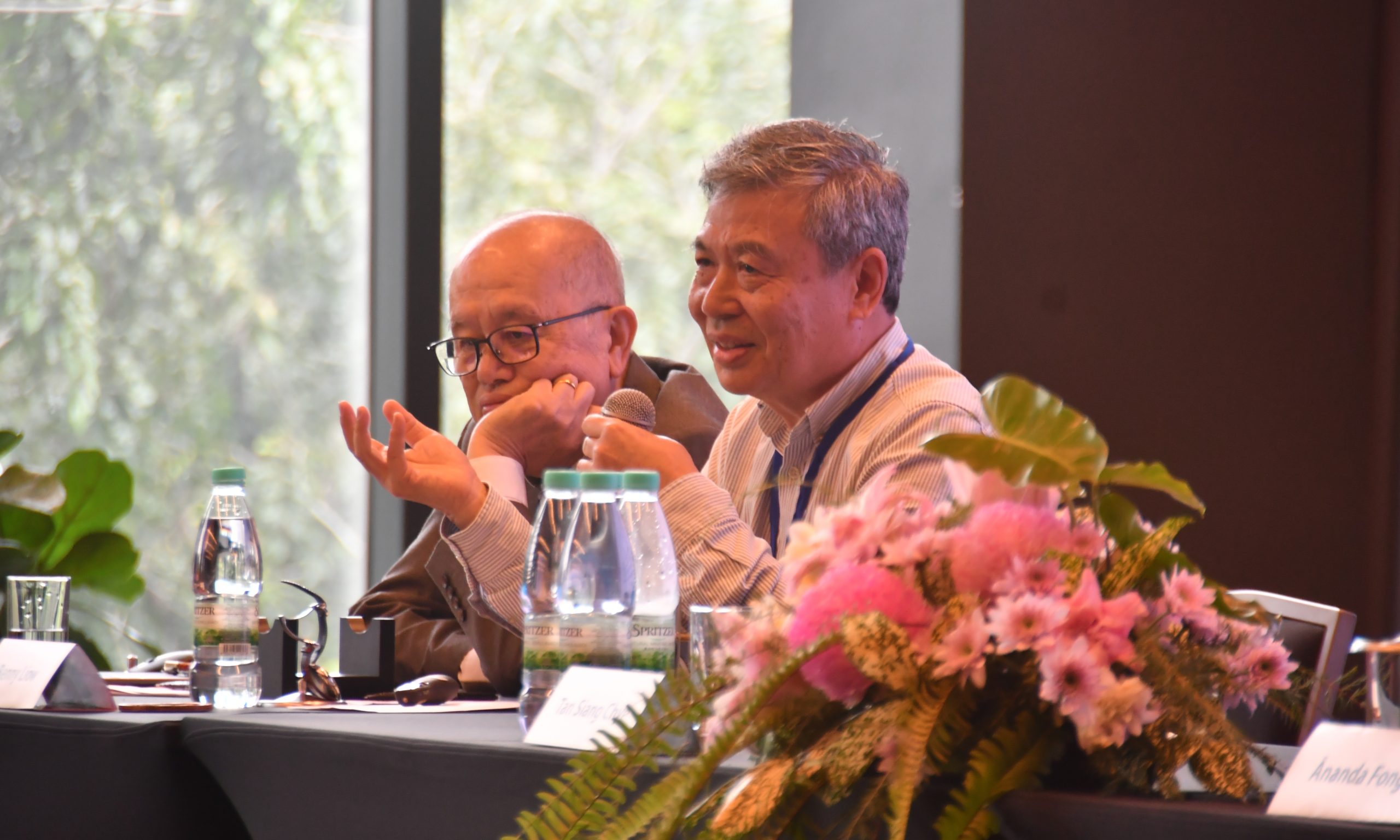
Buddhist Wisdom for Elder Well-being
Introduction – A Short Story
The speaker began with a story about Prince Siddhattha, who later became the Gautama Buddha. According to traditional accounts in texts such as the Lalitavistara Sutra and the Jataka Tales commentaries, the young prince encountered four sights: an old man, a sick man, a dead man and a wandering ascetic. The first three sights showed him the realities of life — aging, sickness, and death. These are unavoidable for all beings. But the fourth sight — the ascetic — showed that there is a path of practice to understand and overcome suffering. While we cannot avoid aging, sickness, and death, we can practice the Dhamma to face them with wisdom and peace.
Aging is natural and not a problem – In the Buddha’s teachings, aging is not something to fear or reject. In the Dhammacakkappavattana Sutta, the Buddha explained that birth, aging, sickness, and death are part of the truth of suffering. Aging itself is not the problem. The real problem is attachment — our clinging to youth, health, and permanence. By understanding impermanence (anicca), we begin to accept life as it is. With acceptance comes peace and wisdom.
Reflection on Aging
The Buddha advised us to reflect regularly on the realities of life. In the Upajjhatthana Sutta, he taught five reflections. One of them is: “I am subject to aging; I am not exempt from aging.” This reflection is not pessimistic. Instead, it helps us develop acceptance, humility and a clear sense of priorities. It reminds us to focus on what truly matters — cultivating wisdom, kindness, and a peaceful mind.
Aging also brings sickness and physical pain. But the Buddha taught that while physical pain is unavoidable, mental suffering is optional. In the Sallatha Sutta (the Parable of the Two Arrows), the Buddha explained that the first arrow is physical pain and the second arrow is our mental reaction — worry, anger, or fear. Through mindfulness and meditation, we learn not to shoot the second arrow.
As the Buddha told the householder Nakula in the Nakula Sutta – “Even if the body is sick, the mind need not be sick.” This is an important lesson for all of us as we grow older.
Practical Advice from the Buddha for Healthy Living:
- He advised people to eat moderately, take medicine when sick, avoid both excess and neglect, maintain balance between body and mind. The Buddha advises King Pasenadi to eat mindfully and moderately because of which this his health improved.
- Encouraged to practice mindfulness in everyday activities. In the Satipatthana Sutta, we are taught to be mindful when walking, standing, sitting and lying down. Mindfulness helps us become aware of our thoughts, speech, and actions. If an unwholesome thought arises, we gently let it go and cultivate a wholesome and compassionate thought instead.
A Meaningful Life in Old Age
As we grow older, what gives life meaning? Research by Robert Waldinger from the long-running Harvard study shows that good relationships are the key to happiness and well-being. Similarly, Buddhism emphasises the importance of spiritual friendship (kalyāṇa-mitta) — supportive relationships that help us grow in wisdom and compassion. When we live with this intention, each day becomes meaningful.
Morning Reflection:
- I have a precious human life.
- I am responsible for my actions.
- I will cultivate kindness and compassion today
- I will be mindful of my thoughts, speech, and actions.
- I will try to benefit others.
Conclusion
The teachings of Buddha Gotama show us how to age gracefully. Even though the body grows old, the mind can grow in wisdom, compassion and peace. If we train our minds well, aging will not be something to fear. Instead, it becomes an opportunity for deeper understanding and spiritual growth. May all of us age mindfully, peacefully, and wisely.
Senior Buddhists Embrace Active Ageing Programme for the Enhancement of Spiritual Cultivation

Introduction – Active Ageing: A Strategic Response
The speaker addressed the exigency for Buddhist organisations to consider an ‘active ageing’ programme for its senior members based on his hands on experience of heading such an initiative. In the formative years of Subang Jaya Buddhist Association (SJBA), there were no structured programmes dedicated to seniors. Their engagement was limited to occasional meditation sessions, chanting, Dhamma talks, attending important events like Wesak or Kathina ceremonies. There was a lack of platforms and programmes designed specifically to cater for the spiritual welfare of seniors.
Fellowship of the Wise (FOW)
He introduced “Fellowship of the Wise” (FOW), a programme developed by SJBA in 2017 to promote senior well-being as part of SJBA mission in providing Buddhist education.
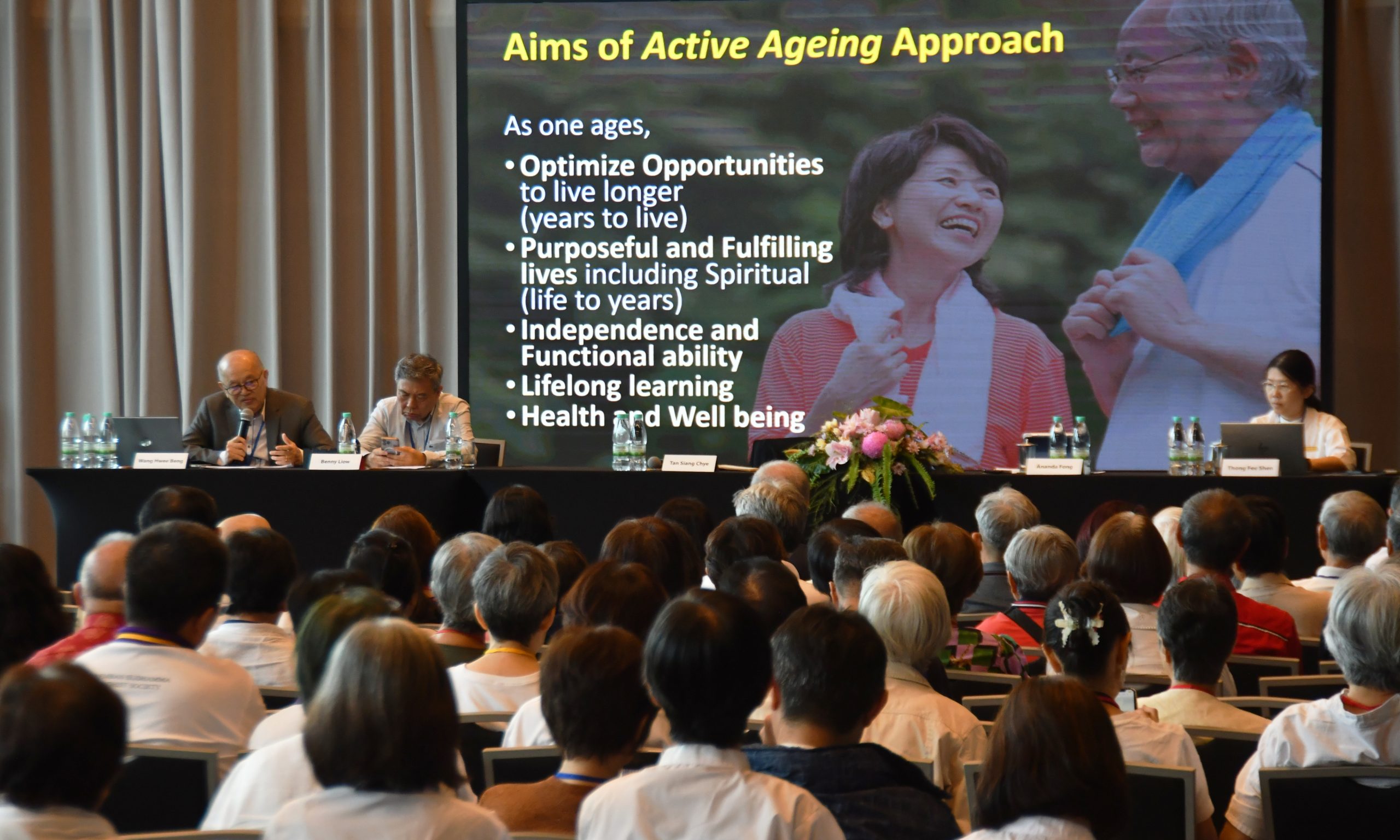
SJBA has approximately 2,000 members out of which about 80% (1,600) are over 60. Its goal is to provide a comprehensive Dhamma programme dedicated to supporting the physical, emotional, mental and spiritual well-being of its senior members to remain socially engaged, live with purpose and independence, continue learning and maintain a healthy body and mind.
FOW is based on the World Health Organisation (WHO) Active Ageing Framework (2012) model that emphasises optimizing four pillars of well-being namely: Health & Wellness, Lifelong Learning, Participation and Security. This framework seeks to enable seniors to maintain their physical and mental health, actively participate in community life, and engage in lifelong learning, including spiritual development. The United Nations Education, Scientific and Cultural Organisation (UNESCO), similarly promotes these well-beings for seniors.
Focus, Approach, and Key Components of FOW
Without doubt seniors face several barriers such as mobility issues, fear of burdening others, shyness and anxiety to name a few. Therefore, FOW focus is geared towards building a warm, safe, comfortable and welcoming environment, besides offering enjoyable, low-pressure activities that incorporates Dhamma content and fellowship.
The approach is to frame ageing as a natural and meaningful stage of life – not a burden. Through aging, people naturally experience change, decline, and impermanence. Buddhist teachings strengthen and deepen our understanding to meet these challenges with acceptance and awareness.
The key components encompass:
- Physical activities – exercises to help maintain mobility and prevent falls.
- Mental activities – cognitive games like chess, puzzles, and brain games.
- Group activities – build social connections, friendship to avoid loneliness.
- Community activities – volunteer to provide service to help others.
- Dhamma activities – meditation, dhamma talks and discussions, reflection.
Achievements and Progress
Since its inception, FOW has recorded the following growth that highlights that such a programme is needed and can be implemented. In 2019 only 22% of FOW members reported participating. However, in 2025 over 85% of respondents attended some form of Dhamma activity. Naturally this success story reflects dedication and leadership on the part of SJBA leaders and the programme volunteers.
Holistic and Integrated Active Ageing Conceptual Model
The speaker introduced a model depicting how active ageing principles combined with spiritual development approach can lead to transformation of seniors with the FOW framework.
Conclusion
FOW showcases that seniors can continue to live active, meaningful, and spiritually rich lives by combining physical, mental, social and spiritual activities. Their later years become an important opportunity to continue walking the path taught by Buddha Gotama. They age with dignity, wisdom, and peace and most importantly become a source of joy and inspiration to all around.
Forum 3 Conclusion
As Buddhist leaders, have we pondered on this conundrum – “Our members continue to get older. What are we doing for them?” While Buddhist temples and Centres provide spiritual educational programmes for adults, youths, and children, the unique needs of the ageing are invariably overlooked. Older members who have relinquished their active volunteering feel unseen, no longer relevant. It is as if we have adopted the assumption of the wider society that when seniors cease to be ‘productive’ and contribute in more active ways, you are of less value.
The Dhamma promotes old age as a stage of life rich with potential for spiritual growth. By harnessing the teachings on mindfulness, compassion, nature of existence, Buddhist communities can play a transformative role empowering the elderly to live their later years with vitality and dignity.
We hope Forum 3 has given leaders and the community fresh insights to extend their educational efforts to include elders. It offers them a sense of value, purpose and connection.