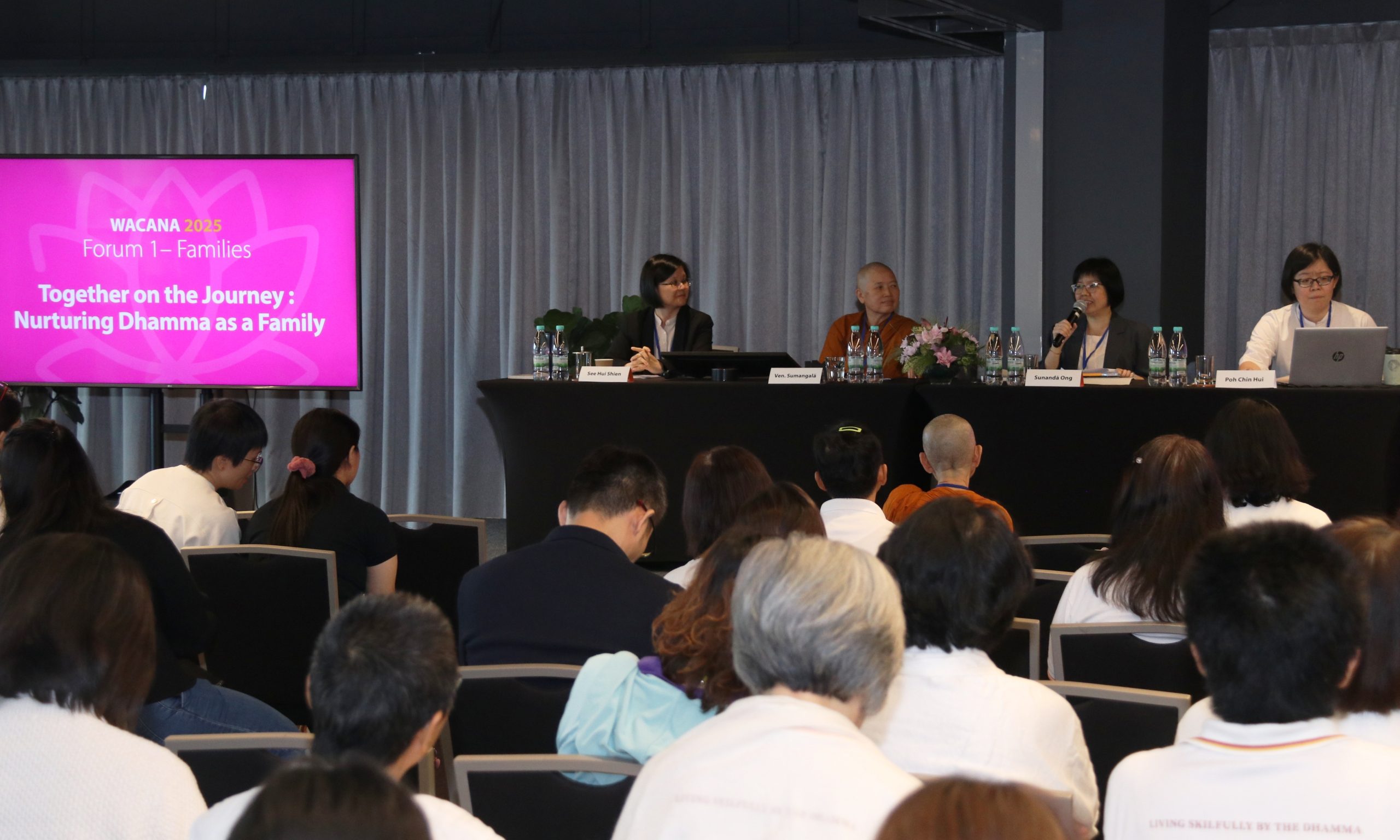
Forum 1 – Together on the Journey: Nurturing Dhamma as a Family
Forum 1 – Together on the Journey: Nurturing Dhamma as a Family

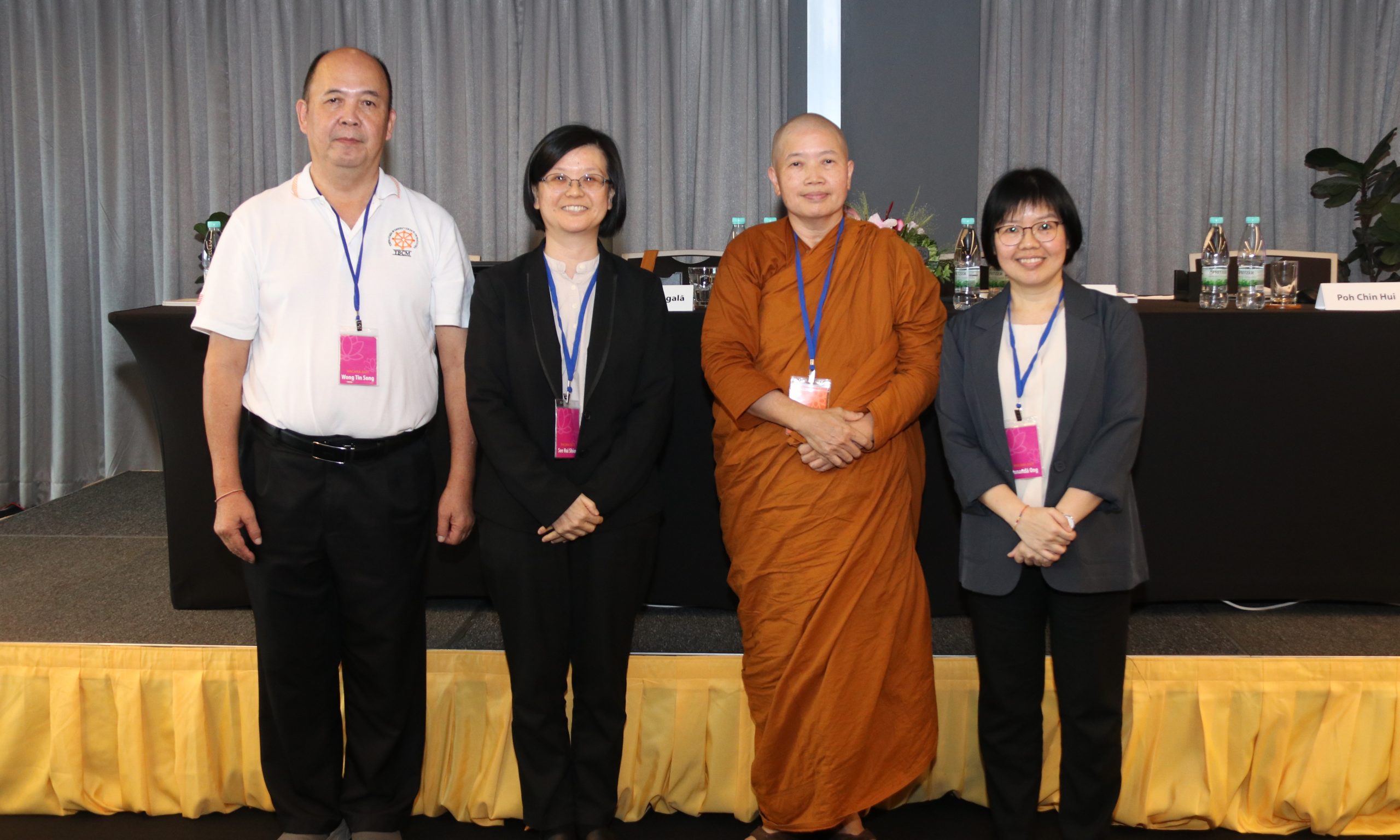
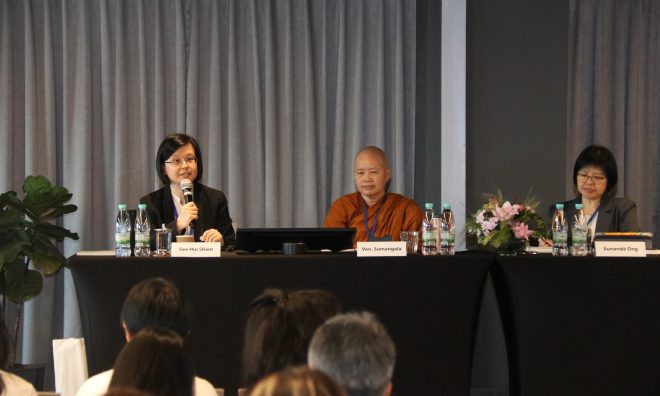
Chairperson Sunandā Ong Huey Chian
Speakers Venerable Sumaṅgalā Therī
Reawakening Family Dhamma Education: Ariya Rainbow Kidz
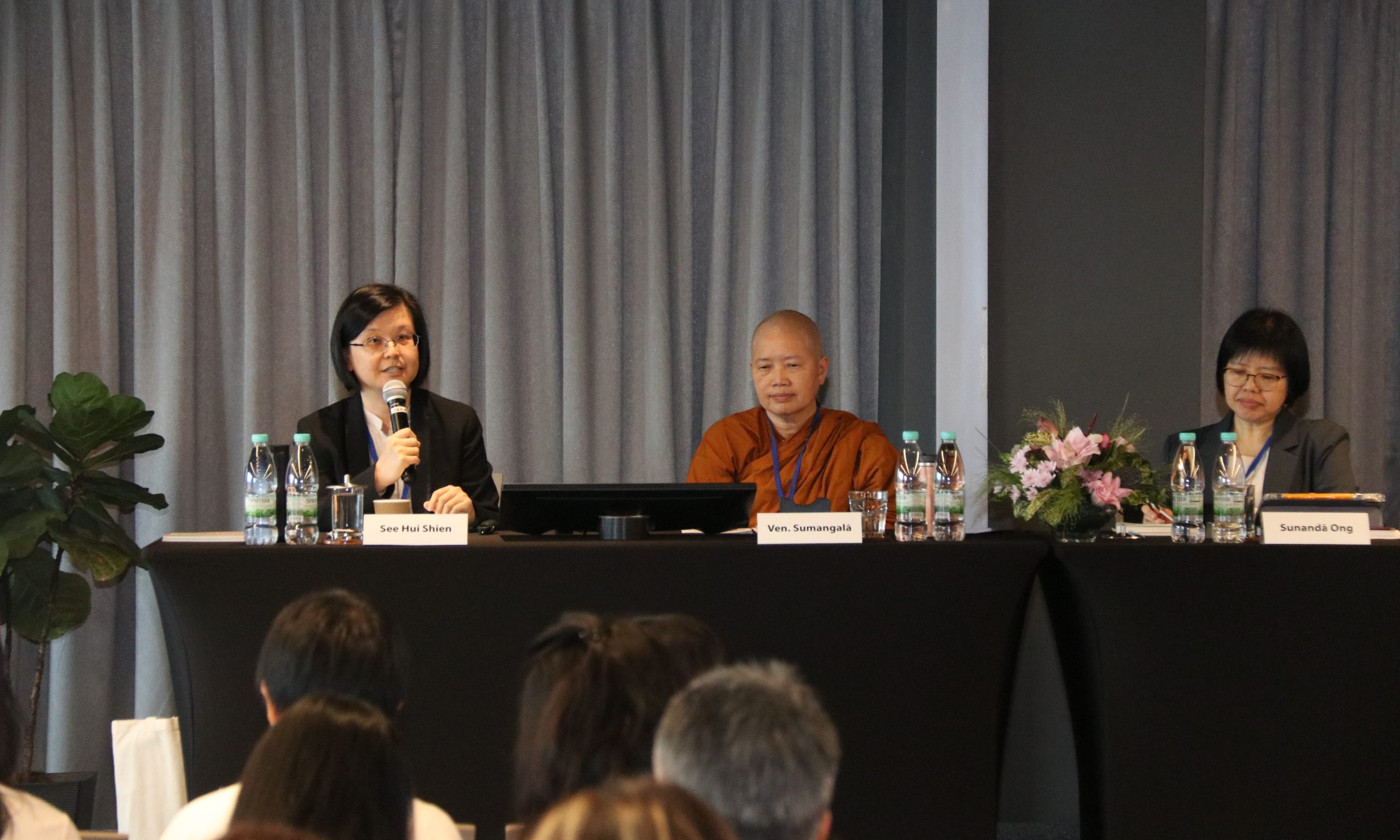
See Hui Shien
Together on the Journey: Nurturing Dhamma as a Family
Rapporteur Poh Chin Hui

Introduction

Dhamma Schools for the young are an integral part of Buddhist education in temples and lay Buddhist organisations in Malaysia. They are seen as an effective way of imparting Buddhist teachings, practices, moral values and ethics through a structured and comprehensive curriculum. Through Dhamma schools, children not only learn practical ways to apply the teachings in their daily life and interactions with others but to preserve Buddhist traditions and culture.

However, over the years, today’s young are steeped in digital distractions, facing worldly pressures of achievement and are spiritually disconnected. To address this phenomenon, a unique platform where parents and children learn Dhamma together, nurturing family well-being and spiritual progress has been introduced. Family Dhamma School encapsulates the dictum that when families anchor themselves in the Buddha’s teachings, daily life becomes both meaningful and transformative. It signals the beginning of the formation of a strong and educated Buddhist community made up of parents and children who will be the future leaders and pillars of continuation of the Sasana. Family Dhamma School is a contemporary approach to awakening family and community well-being.

Forum Objectives

Introduce the innovative concept of Dhamma School for Families based on the understanding that families play a pivotal role in shaping the future of our community.

Present the philosophy, approaches, methodology and benefits of the family programme for consideration to be adopted by Buddhist organisations interested in setting up similar programmes.

Speech

Reawakening Family Dhamma Education: Ariya Rainbow Kidz

Introduction – Why Family Comes First

The presentation introduced the Ariya Rainbow Kidz (ARK), a transformative programme designed to bridge the gap between timeless Buddhist teachings and modern family life. Venerable emphasised that the programme’s vision is to create homes that are not only ethically grounded but also harmonious and spiritually vibrant. The approach seeks to extend well-being beyond individuals to families and ultimately to the wider community.


Core Challenges facing Modern Buddhist Families:
  1. Spiritual disconnection: parents and children have little or superficial exposure to Dhamma and therefore unprepared to integrate it into their daily lives. They perceive Buddhist temples and centres as monastic-centric, ritualistic, and primarily focused on festivals. This misguided perception leads many to believe that it offers little relevance to their family well-being.
  2. Limited Institutional Support: Temples and Dhamma centres cater primarily to adults, lacking child/youth friendly and family integrated learning environments. Consequently, families question the value of attending such programmes when they cannot relate to the content.
  3. Overwhelming External Influences: Pervasive impact of consumerism, social media, and academic stress, which collectively erode traditional values and pull families away from mindful living. Venerable expressed deep concern about children’s exposure to harmful online content, including violent and distorted media such as the “Skibidi Toilet” – an animated serial online game which normalises aggression and glorifies destructive behaviour. Even more alarming are reports of suicide hackers who manipulate vulnerable children, encouraging them to harm their parents or themselves—risks that many parents remain unaware of. Venerable stressed the urgent need for parental vigilance and proactive guidance to counter these dangers.
  4. Misconceptions about Buddhism – often viewed as a doctrine focused solely on suffering makes it unattractive to families seeking joy and fulfillment. Household life conflicts with spiritual progress, weakening intergenerational Dhamma transmission.


Methodology – Holistic and Experiential Approach

Sessions are conducted twice a month from 9 am to 1pm. Each session begins with meditation and chanting in both Pali and English to ensure understanding. This is followed by a short teaser video to spark discussion and interactive breakout sessions tailored to different age groups. For example, younger children may engage in creative activities such as drawing, colouring, and storytelling, while parents participate in discussions and Dhamma learning. Buddhist practices of offering Dana, community charity projects, role-playing exercises, help families experience further reinforce the values learned. The programme follows an annual value-based thematic structure.


Philosophy – “Head, Heart, Hands-on”

The programme is anchored in the philosophy of “Head, Heart, Hands-on”, which integrates intellectual understanding, emotional intelligence, and practical application. Its foundation lies in the Buddha’s gradual training encompassing generosity (Dāna), ethical conduct (Sīla), mental focus (Samāḍhi), wisdom (Pañña), and the cultivation of divine abiding (Brahmavihāra) such as loving-kindness (Mettā) and compassion (Karunā).

ARK extends learning beyond the classroom by encouraging families to integrate Dhamma into daily life through simple acts of taking refuge, observing precepts, practicing generosity, and reflecting on gratitude before meals. The programme promotes participation in community projects like Wesak celebrations, charity drives, and Compassion-in-Action activities.

ARK provides spiritual guidance, counselling and support for families facing challenges to strengthen relationships and spiritual growth. ARK encourages mindful use of technology by minimising distractions during sessions and keeping phones away to maintain focus. Digital tools are applied thoughtfully for functional purposes, such as using Zoom for planning and meetings with teachers and incorporating short educational videos to support programme themes.


Key Benefits of ARK

Venerable highlighted the transformative impact of the ARK programme on the families as a testimony to the viability and positive results namely:

  1. strengthens parent-child bond through shared values
  2. empowers parents to become confident role models.
  3. beyond the classroom, home life becomes joyful and meaningful.
  4. create a ripple effect that enriches families and communities.


Conclusion – A Call to Buddhist Leaders and Change-makers

ARK is not a break from tradition but a revival to build strong, spiritually resilient Dhamma communities. The vison is to:

  1. Reimagine temples and Dhamma Centres as family sanctuaries and welcoming environments where families can learn, practice, and grow together.
  2. This transformation prioritises generosity, ethical conduct, mindfulness, and wisdom, enduring values that sustain harmony across generations.
  3. Training and empowering facilitators with both Dhamma knowledge and practical skills in communication, child psychology, and interactive teaching methods.

Together on the Journey: Nurturing Dhamma as a Family


Background and Introduction

Sis Hui Shien commenced her presentation by giving the reasons for creating the Family learning programme. The impetus for the establishment of Nalanda Family Dhamma School (NFDS) arose from a critical observation and realisation that while many children were attending Dhamma Schools independently, the absence of parents in this journey created a gap. Children learn noble values, yet at home encounter an environment not fully aligned or reinforced with those principles. Parents though supportive, lacked avenues to develop their own spiritual practice alongside their children and feel uncertain how to guide the children in applying these values.

NFDS emerged as an integrated model where the entire family embark on the journey of Dhamma learning and cultivation. For parents this is an opportunity for spiritual growth as well as refine their parenting skills in alignment with the Teachings. This misalignment inspired the creation of a family-centred approach to Dhamma education, grounded in the principle of Pubbācariya, which means “parents are the first teachers.” Drawing from the Sigālovāda Sutta, the speaker emphasized that the family is the primary institution for moral and spiritual learning, where parents guide children away from harm, establish them in goodness, and model ethical behavior, while children, in turn, honor and uphold family dignity. It restores the balance that spiritual growth is sustainable and strengthened when undertaken together as a family.

The NFDS was first launched in Nalanda Education Outreach Centre-Kuala Lumpur in 2023 and later expanded to Nalanda Education Outreach Centre-Johor Bahru in 2024.


Approach and Structure – Holistic Buddhist Education

The pedagogical approach emphasises integrated, holistic and practical Dhamma education based on three principles of structured learning (learning together), experiential cultivation (practicing together) and family-centred practice (serving together).

  1. Structured learning – parallel sessions for parents and children where they explore the same learning theme (example generosity). While children engage in storytelling, role-playing, and games, parents learn the Buddha’s teaching on dāna (generosity) as well as discuss practical ways to incorporate acts of kindness into family routines. Combined sessions include guided meditation and chanting, designed to be simple and suitable for all ages.
    To reinforce learning beyond the classroom, families are given creative challenges such as the Dana Marathon, which encourages them to perform multiple acts of generosity throughout the week, and the Kindness Tree, where families record and share acts of kindness as part of their ongoing cultivation. These activities help transform Dhamma values into daily habits, making generosity and compassion a natural part of family life.
  2. Experiential Cultivation – Dhamma is best learned through practice. Preparing meals for offerings to the Sangha, community clean-up projects, instil values of service and humility. Beyond the classroom, families are encouraged to undertake spiritual cultivation during Buddha Day, Gimhana retreat period. These shared experiences strengthen inner qualities of faith and mindfulness and support collective energy of the Buddhist community.
  3. Family-centred – emphasis on family bonding through special events such as food reflection before meals, Metta meditation, family camps, study tours, sports day amongst others. By engaging in mindful communal chores, morning and evening reflections create cherished memories infused with Dhamma values.
    Another distinctive feature is the emphasis for gratitude through the “Tea Offering Ceremony” during Chinese New Year and Parents Day Celebration. These occasions provide opportunity to formally express respect and appreciation. Parents on the other hand reflect on their role as guides and nurturers. By embedding these practices into the School programme families display gratitude not just as a feeling but a living expression that supports long term well-being.
Results and Outcomes

Although the NFDS is in its infancy stage, Sister Hui Shien shared several encouraging outcomes observed since the programme’s inception.

  1. Strengthening Family Bonds – Parents report fresh and new insights into their children’s personalities, struggles and aspirations. Children report appreciation for their parents’ involvement by being supportive, understanding and encouraging. It reduces generational gaps and fosters open dialogue.
  2. Tangible Character development – Families report observable positive changes in character. Parents, having internalised the Dhamma based parenting approaches respond with patience rather than impulsive reactions. This subtle but significant shifts create harmony and appreciation and long-term family well-being.
  3. Cultivation of a Supportive Community – It has nurtured a community of like-minded families. A strong support network provides resilience in navigating social problems and pressures. Children form friendship grounded in wholesome value. Moreover, many families extend their engagement beyond the school, participating in meditation sessions and volunteer for community projects.
Future Hope and Direction

As the NFDS is still in the development stage, Sis Hui Shien presented several strategies to enhance and strengthen its impact to reach more families namely:

  1. Addressing Contemporary Challenges – the presentation of the timeless Dhamma must be practical and relevant to modern unique challenges from digital dynamics to academic pressures, cultural and economic values. The Dhamma must be delivered in such a way to build emotional resilience and ability to make ethical and wise decisions in daily living.
  2. Capacity Building for Parents – offer and incorporate regular Dhamma-based parenting skills, emphasis on parents’ spiritual capacity through meditation, chanting and Dhamma study to equip them to embody patience, compassion and wisdom. Nurture parents to become effective caregivers and spiritual role models.
  3. Facilitators Training and Development – NFDS caters to the needs of a wide spectrum from young children, teenagers and parents. Facilitators need to be well-prepared in addressing the psychological, emotional and spiritual needs of different age groups. Effective training goes beyond knowledge and practice of the Dhamma to the spheres of skills in child development, adolescent psychology, communication and age-appropriate pedagogy.
  4. Integration with Broader Buddhist Community – NFDS cannot operate in isolation but be part of a larger ecosystem of Buddhist education. Collaboration with other units in the temple or Society such as teens, youth, leaders and adults forms a link throughout providing crucial support in this journey.
  5. Cultivating Future Generation of Leaders – Beginning with an end in mind, NFDS ultimate aim is to build future leaders, strong spiritual wellness at home and confident spiritual guides that will form a wise and compassionate society that has local and universal impact.
Conclusion

Sister Hui Shien concluded by inviting participants to reflect on how this model could be adapted within their own communities, emphasising that nurturing Dhamma in families is a collective responsibility.

As the theme of WACANA 2025 is “Awakening to Community Well-being – Contemporary Approaches”, NFDS offers a fresh model of bringing families to grow together for their own domestic happiness and contribute to the broader Buddhist community.


Forum 1 Conclusion – Together on the Journey: Nurturing Dhamma as a Family

While it is undeniable that serving and guiding followers of our Dhamma community is an important mission for Buddhist temples and Centres, putting the onus of one’s children’s spiritual growth solely on Dhamma Schools is an oversight of parental duty and responsibility. Parents share a responsibility to teach their children since it is significant that they spend more time with their children.

While recognising parents' and the community share a critical role in shaping our children’s character and moral values, not every temple or Dhamma Centre provides services that equip parents in this regard. Often, they do not offer an explicit spiritual education curriculum and overlook to emphasize the vital role of parents in the growth of children’s faith. Rarely is found the link between the teaching at home with what a child receives from the Dhamma Centre. Many parents are clueless about what their children have learned in Dhamma School and do not think they need to educate them spiritually.
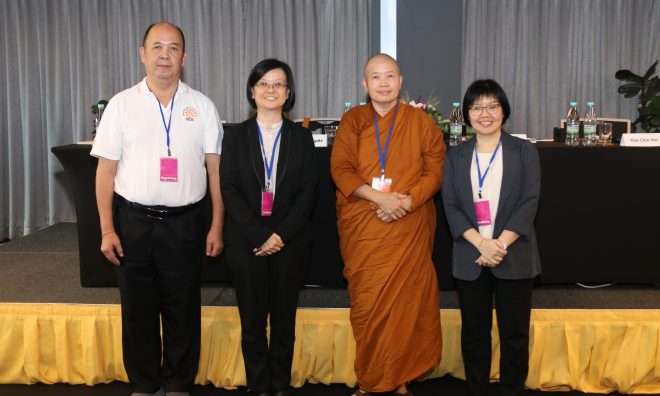
Acknowledging that we have a mutual responsibility for nurturing faith in parents, children, and the community, both ARK and NFDS have introduced a system of spiritual education that addresses this disconnect in the mission of Dhamma education:

  1. Children raised without spiritual guidance may more often feel unmoored, without truly understanding the world around them, looking to peers or screens for validation rather than inner strength.
  2. When parents fail to model Dhamma principles or allow worldly influences to dominate the home, children are more likely to struggle with finding their own purpose, stability, and meaning in life.
  3. A failure to establish routines like family devotions can lead to children becoming “inflamed”; by worldly temptations.


Question and Answer Session

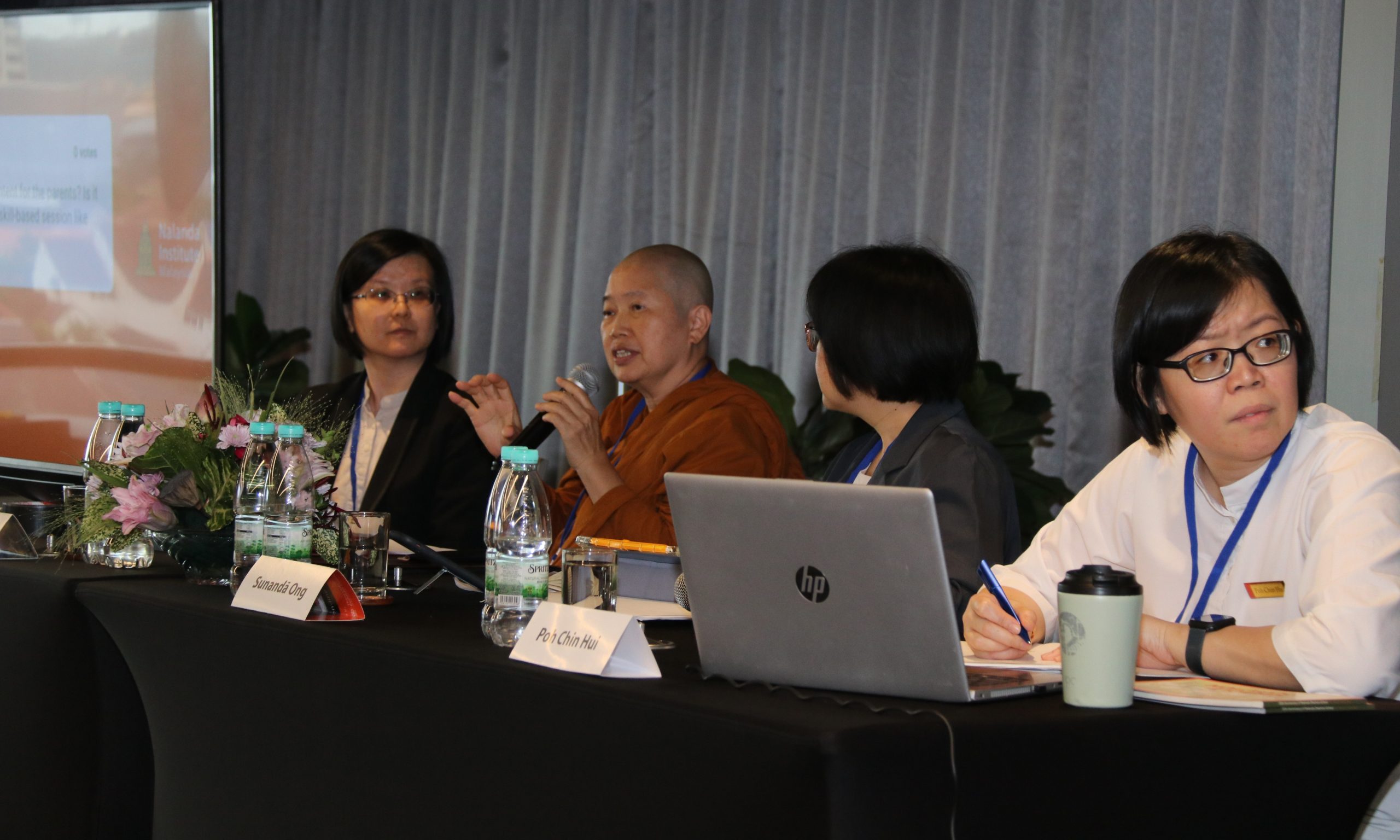
Answer by Venerable Sumangala:

The weekly learning content for parents in the ARK programme is designed to be highly interactive and practical rather than limited to traditional Dhamma talks. The first part is the devotional sessions comprising meditation and chanting (taking refuge, observing Five Precepts in both Pali and English). This bilingual approach ensures the preservation of the authenticity of the original teachings and enable participants to understand their meaning and build faith through this understanding.

The learning session comprises parents and children watching a short teaser video, which introduces the theme of the day in a creative and relatable way. These videos are followed by Q&A sessions to encourage active participation. To make the experience more engaging, ARK incorporates activities such as appointing children as co-host alongside facilitators. This strategy helps build confidence and public speaking skills in young participants. Parents then join peer group discussions where they explore topics like “Who is the Buddha?” and share personal perspectives.


Ayya emphasised that these sessions are not lectures but facilitated dialogues that allow parents to exchange ideas and learn from one another. Additionally, role-playing exercises are used to deepen understanding; for example, families may simulate inviting the Sangha to their home for Dana offerings. This activity involves dressing up as monks and laypeople, practicing mindfulness, and performing rituals, which helps participants appreciate the responsibilities and significance of these roles. Through such creative methods, ARK ensures that parents acquire both spiritual knowledge and practical parenting skills that they can apply at home.

Answer by Sis Hui Shien:

Nalanda organises parenting workshops that focus on contemporary issues such as bullying, digital distractions, and emotional regulation. These workshops are not structured as formal Dhamma talks but as interactive sessions that include discussions, role-plays, and practical exercises. Parents are encouraged to share their concerns openly, and experienced trainers provide guidance on applying Buddhist principles to real-life situations. For example, in a workshop on digital distractions, parents learn strategies to manage screen time while fostering mindfulness and family bonding. In addition to workshops, one-on-one counselling is available for families facing specific challenges.


Anwer by Venerable Sumangala:

ARK integrates problem-solving into its regular sessions by encouraging parents to discuss issues during group activities. This collaborative approach allows families to learn from each other’s experiences and discover practical solutions rooted in compassion and wisdom. Personal counselling is arranged as required.


Both speakers emphasised that these programmes aim to empower parents with tools to create a nurturing environment at home, where Dhamma becomes a living practice rather than a theoretical concept. Both ARK and NFDS have initiatives to address family-centred challenges through Dhamma-based approaches.

Anwer by Venerable Sumangala:

This is a common challenge and stressed the importance of reframing the concept from “school” to “programme.” The term “school” often carries negative connotations for children who already spend six days a week in academic settings, making them reluctant to attend additional classes on Sundays. Instead, ARK positions itself as a programme that emphasises participation, creativity, and experiential learning. Dhamma education is encouraged to “Refresh, Reform, and Reprogramme” to remain relevant – refreshing the approach to make it engaging, reforming outdated methods that rely on rigid classroom-style teaching, and reprogramming the mindset toward interactive, family-centred learning. The first step is to start small and focus on creating sessions that are relevant and enjoyable for families.


ARK was launched, with only five families. The programme gradually grew as parents recognised its value. Organisers must design activities that involve both parents and children, such as role-playing, group discussions, and family challenges, which foster engagement and bonding. Confidence in making this change is crucial, as traditional models are becoming less effective in today’s fast-paced, technology-driven world. Creating an archive of programme content and sharing resources among Buddhist societies to support innovation is helpful. Ultimately, the goal is to transform Dhamma education into a dynamic experience that families look forward to, rather than an obligation.

Anwer by Sister Hui Shien:

This is a natural psychological tendency especially among teenagers, who often prefer sharing their thoughts with peers rather than with parents. To address this, NFDS creates smaller peer groups where children can express themselves freely under the guidance of facilitators. These groups provide a safe space for open dialogue and help build trust. Over time, as family bonding improves through shared activities and events, children become more comfortable communicating with parents. Family-centred events such as tea-offering ceremonies dissolve grudges and soften hearts creating an environment conducive to open communication.


Anwer by Venerable Sumangala:

It is essential to respect the teens need for autonomy and avoid direct instruction, which they often resist. Instead, programmes should adopt discovery-based learning, where teens are guided to explore values through activities rather than being told what to do. Example where teens were asked to identify qualities they expect in parents, teachers, and friends. Through this exercise, they realised the importance of respect and kindness, not only in others but also in themselves. Such reflective activities help teens internalise values and improve communication without feeling pressured.

Anwer by Venerable Sumangala:

Patience and skilful means are essential when encouraging a reluctant spouse to join Dhamma sessions. Forcing attendance can create resistance and harm family harmony, so the approach should be gradual and inviting rather than “forcing”.

A practical starting point is to introduce activities that feel casual and welcoming:

  1. Wesak celebrations are festive and culturally familiar, allowing spouses to participate in joyful rituals like bathing the Buddha or making offerings without feeling pressured into formal study.
  2. Charity drives are another effective entry point, as they appeal to the natural inclination to help others and provide a sense of purpose through acts of generosity. These events often include simple, hands-on contributions such as donating goods or volunteering time, which can feel meaningful without being intimidating.
  3. Compassion-in-Action projects, such as visiting welfare homes, assisting the elderly, or supporting community service initiatives—create opportunities for spouses to experience the warmth of giving and the satisfaction of making a positive impact. These activities are practical, family-friendly, and rooted in wholesome values, making them ideal for introducing Dhamma in a “non-threatening” way. Over time, witnessing the joy and transformation in their children and other families often motivates reluctant partners to participate more actively.
  4. Persistence is important, but it must be gentle. Venerable shared a humorous anecdote where someone remarked that Buddhist organisers only called once, while other groups called ten times. The lesson is clear: keep inviting but do so kindly and without pressure. In short, patience, creativity, and gentle persistence are key to fostering interest in Dhamma within the family.

Anwer by Sis Hui Shien:

NFDS facilitators play a critical role in the success of family-based Dhamma programmes. The most important qualities are:

  1. Compassion, patience and strong foundation in Dhamma knowledge.
  2. Genuine care and commitment to making Dhamma accessible and relevant.
  3. Master instructional delivery methods that cater to different age groups
  4. Understanding child psychology – adapt their approach to suit developmental stages.
  5. Communication skills are paramount for an inclusive and engaging environment.


Sis. Hui Shien recommended facilitators being certified via structured training programmes, such as certificate courses in Buddhist studies, hands-on experience through volunteer service in Dhamma schools. She shared an inspiring example where committee members stepped up as facilitators despite initial doubts about their capabilities. Their willingness to learn and serve transformed them into effective educators. Ultimately, training facilitators is not just about imparting knowledge but about nurturing individuals who embody Dhamma in their actions and interactions.